Life Lessons Worth Preserving Start With Something You Remember
You Don’t Need An Extraordinary Life To Have Something Worth Sharing
The helpful part might be in a task you did often, a problem you fixed, or a question people asked you more than once.
Leave With One Experience Written Down And Ready To Develop
Pick one event, say what you learned from it, and write a short note you can look back on later.
Section One: You May Be Overlooking The Part Someone Else Needs
Life Lessons Worth Preserving Can Hide In Routine Work
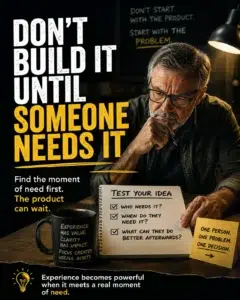 Imagine Phillip sorting a drawer of papers from his years helping to organise a local club. This is a fictional example, but the contents will sound familiar: old lists, telephone numbers, meeting notes and instructions that meant something at the time. Among them is a sheet headed “Before You Book”. Underneath are questions about numbers, transport, access and cancellation arrangements. Wilson asks why Phillip kept it. “Because we once booked before we’d asked half the questions,” he replies. There is a story behind the sheet, but there is also a lesson about the order in which decisions were made. Phillip doesn’t need to recreate every detail of the outing. He needs to explain which question should have been asked earlier and what difference the answer would have made.
Imagine Phillip sorting a drawer of papers from his years helping to organise a local club. This is a fictional example, but the contents will sound familiar: old lists, telephone numbers, meeting notes and instructions that meant something at the time. This difference matters when you have lots of memories but aren’t sure what to write down. A good story might say who was there, what the weather was like, and how people reacted. But a teaching note should explain why you made a choice. For Phillip, the main thing was that some people could only come if suitable transport were available. Counting people before sorting out transport gave him the wrong number. When you look for Life Lessons Worth Preserving, you will see that many start with a question you now ask without thinking. What do we need to know first? Who should we ask? What are we guessing? Your answer might seem obvious because you learned it the hard way. Someone new might not know it yet.
The First Discovery: What You Noticed
Today’s Apprentice Task: Build One Front Door
Open to See This Video, And This Is What’s Already Built,
Trained & Waiting For Your First Command.
Today’s Apprentice Task: Save One Life Lessons Worth Preserving Someone Else Could Use


No comments:
Post a Comment