What if something you’ve learned over many years could help a beginner solve a problem that once took you weeks to understand?
Your Experience Could Become A Useful Building Your First Guide
You don’t need to teach everything you know. Start with one familiar problem, one beginner and one clear result.
Building Your First Guide With Five Practical Steps
Discover how to organise your knowledge into a simple resource, test it with a beginner and improve it before considering a paid offer.
What if something you’ve learned over forty years could help a complete beginner avoid weeks of confusion, unnecessary expense or frustrating mistakes?
You’ve already discovered that your working life, hobbies and everyday experience may contain knowledge worth sharing. Now comes the next question. How do you turn that knowledge into something another person can actually use? It’s an exciting possibility, particularly if you’re retired and looking for a worthwhile project you can enjoy from home. You don’t need to become a famous expert, build an enormous training course or master complicated computer software. You need to recognise one difficulty that someone else faces and explain a practical way forward. Our AI Personal Assistance Crew can help you organise your ideas, but the experience comes from you. That’s the foundation of this lesson. When you Building Your First Guide, you’re not trying to sell your working history. You’re helping somebody benefit from what that history has taught you.
The distinction matters because beginners rarely search for somebody’s complete life story when they encounter a problem. They search for an answer they can understand. Someone struggling to organise household paperwork wants a manageable filing routine. A new gardener wondering why vegetables aren’t growing wants to understand what to examine before changing everything. A person learning to use a sewing machine wants to avoid the mistakes that make their first attempt frustrating. Each beginner has a particular difficulty, and each experienced person may possess useful knowledge that makes the next decision easier. The opportunity begins when those two things meet. Your experience becomes more useful when you identify who needs help, what they’re struggling with and which part of your knowledge could make a genuine difference.
Don’t Turn Your Whole Working Life Into One Product
Your first useful digital resource should solve one recognisable problem rather than attempt to teach everything you know.
Imagine asking a retired gardener to write down everything they’ve learned during forty years of growing vegetables. They might begin with soil preparation, move towards watering, discuss pests, explore seasonal planting and eventually produce hundreds of pages. Much of that knowledge could be valuable, but the project would soon become overwhelming. More importantly, a beginner with three containers on a small patio may not need most of it.
They want to grow something successfully without wasting money or becoming discouraged. An experienced gardener who understands that immediate difficulty can offer something far more relevant than an enormous gardening encyclopaedia. They could create a simple beginner’s guide on choosing suitable vegetables, considering growing conditions and establishing a manageable care routine.
This is where our second workshop lesson becomes different from the first. We’ve already looked at uncovering hidden skills. Now we’re concentrating on selecting one useful outcome and building a resource around it. The question changes from “What do I know?” to “What will somebody be able to do after learning from me?” That change helps remove unnecessary information. It also makes the finished resource easier to test. If the beginner can follow the explanation and complete the intended task, you’ve demonstrated a practical benefit. If they remain confused, you have something specific to improve. Either result provides more useful information than simply collecting pages of advice and hoping somebody eventually wants to read them.
Building Your First Guide Through A Clear Beginner’s Outcome
The strongest starting point is one useful result that a learner can recognise and test for themselves.
Your practical assignment is to turn one familiar piece of knowledge into a simple resource that somebody else can understand.
Begin with the hidden skill you identified during our first workshop lesson. Choose one specific problem a beginner might encounter, then write down the useful result you want your explanation to achieve. Avoid selecting a subject so broad that you cannot explain it clearly. “Help somebody organise household paperwork” is a starting idea, but “Help a beginner create a simple naming routine for personal documents” provides a more manageable task. Next, identify the observations or decisions your experience has taught you to make. Write them in the order that would help somebody encountering the problem for the first time. Include any important limitations or situations where specialist assistance would be necessary.
Now turn those notes into a five-step checklist. You can write it yourself or use your preferred AI assistant to help organise the explanation. Ask the assistant to use plain British English, explain unfamiliar terms and keep the instructions suitable for a complete beginner. Then examine the result carefully. Has the AI misunderstood anything? Has it introduced information you didn’t provide? Does it suggest actions beyond the learner’s knowledge or abilities? Are there instructions that could be unsafe or misleading? Correct those problems before showing the resource to anybody else. Remember that a polished-looking document isn’t necessarily accurate. Your experience and judgement provide the final quality inspection.
Next, test your checklist with someone who resembles the intended learner. Ask them to explain what they understand, try the steps where appropriate and identify anything confusing. Resist the temptation to defend every sentence. Listen to their observations because they show where your explanation may still depend on knowledge you’ve taken for granted. If they cannot complete the intended task, revise the resource and test again. The purpose isn’t to prove you’re already an excellent teacher. It’s to develop something genuinely useful. Once the explanation works, you can begin investigating whether a wider audience has the same problem and whether a more complete resource might be worth offering for sale.
Open to See This Video, And This Is What’s Already Built, Trained & Waiting For Your First Command.
Your Five-Step Follow-Along Building Your First Guide
Choose one beginner’s problem. Identify a difficulty your experience can help somebody understand.
Explain your hidden shortcut. Record the decisions, observations and mistakes that matter.
Create one helpful page. Organise your knowledge into five clear, safe and practical steps.
Test it with a beginner. Discover whether the instructions make sense without further explanation.
Improve before selling. Correct weaknesses, investigate demand and only then consider a paid offer.
The result you’re aiming for isn’t a complicated business plan or an impressive collection of documents. It’s one useful piece of teaching that reflects something you’ve genuinely learned. You don’t need to promise that it will sell. You need to show it helps somebody solve a recognisable problem, then explore whether enough interest exists to take the idea further.
Here’s the rule to remember: Don’t sell everything you’ve learned. Help somebody achieve one result that your experience has made easier to understand.
That’s how you start turning experience into value. And once your first resource has been tested, a new and particularly interesting question emerges: how do you discover which people want that help, where they already look for answers and whether they’re willing to pay for a clearer solution?
Building Your First Guide For Valuable Lessons
Building Your First Guide For Valuable Lessons: Building Your First Guide: 5 Powerful Steps to Create a Useful Beginner's Guide. Discover five practical steps to test your digital idea.
 Your first useful digital resource should solve one recognisable problem rather than attempt to teach everything you know.
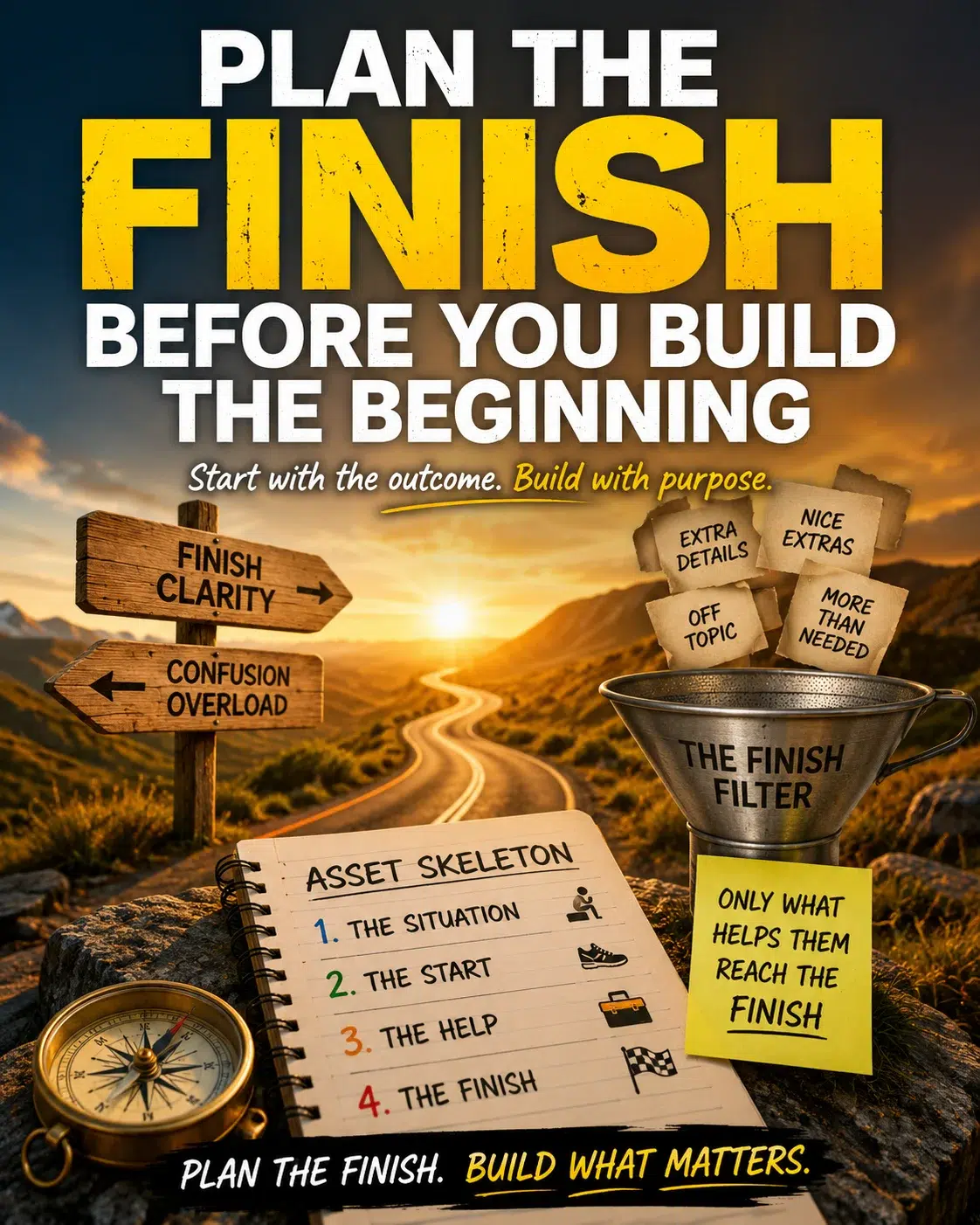 Your first useful digital resource should solve one recognisable problem rather than attempt to teach everything you know.